
Black Friday marketing: 6 tips for better conversion

Black Friday marketing: 6 tips for better conversion

Black Friday, that long-awaited meeting with your customers, is just around the corner. Are you looking to attract more visitors to your digital ecosystem? Do you want to boost your sales in the run-up to Christmas? In this article, we’ll explore how to incorporate gamification into Black Friday marketing campaigns.

We’ll also give you seven essential tips for successful Black Friday marketing actions. Find out how to turn this time of year into an exceptional growth opportunity.

Why set up a Black Friday marketing campaign?

To begin with, let’s take a brief look at the history of Black Friday. Born in the United States, this day marks the start of the end-of-year shopping season. It takes place the day after Thanksgiving, with massive offers and discounts. Black Friday is a massive phenomenon in its native country, with 9 billion spent in the United States today.

However, over the years, Black Friday has evolved far beyond being just a day of sales for our American neighbours. It has become a global event, a date that consumers mark in capital letters in their diaries. It’s more than just a tradition; it’s become an institution.

Black Friday marketing is a must. It’s a time when consumers are keen to spend, look for deals and explore new brands. It’s the perfect time for businesses to stand out from the crowd and build strong relationships with their customers in the run-up to the festive season.
purchasing power gamification adictiz

What are the objectives of Black Friday marketing?

Black Friday can be an opportunity to :

  • Develop brand awareness: Taking advantage of the increased attention generated by Black Friday can be an opportunity for businesses to raise their profile. Whether you’re a small start-up or a large retailer, this period offers invaluable visibility.
  • Increase sales: Consumers are on the lookout for exceptional offers. By offering attractive discounts, sales can be significantly boosted.
  • Building customer loyalty: Offering exclusive benefits to loyal customers during this period can strengthen their attachment to your brand. They’ll feel privileged and be more likely to come back.
  • Collect valuable first-party data: It’s also a good time to collect customer data. The information obtained can be used in future marketing campaigns.

Tip 1: Black Friday marketing: the gamification option?

Gamification involves integrating fun elements into marketing strategies and making the customer experience more interactive. This can take the form of online games, competitions or challenges.

For example, it is possible to launch a competition where customers can win discounts or products by sharing their shopping experiences.. Cette approche ludique permet d’augmenter l’engagement des clients et les incite à revenir pour en savoir plus sur les offres proposées.

Tip 2: Strategic data collection

Data collection is a key element of any successful marketing campaign. Take advantage of Black Friday to obtain valuable information about your customers. Ask them to sign up to your newsletter or fill in questionnaires in exchange for exclusive benefits.

The Quizzes and personality tests are relevant examples of data collection strategies. They encourage the collection of first-party data without making the form too cumbersome. Not only do they allow you to get to know your customer base better, but they also direct you towards products that correspond to each individual’s needs.

Tip 3: Personalise your offers

Personalisation remains crucial to increasing conversions. It is interesting to use the data collected to propose tailor-made offers. Send targeted e-mails based on past purchasing preferences, recently consulted products, or behaviour on your site, makes customers feel valued. They’ll be happy to come back again.

Tip 4: Harness the power of partnerships and sponsorships

Collaborating with other companies or brands can be a powerful way of increasing the visibility of Black Friday marketing campaigns. When considering partnerships, it’s important to look for companies or brands whose target customers are a good match. Together, it is possible to propose joint offers that include special promotions for the Black Friday period. This approach also opens the door to a wider customer base without significantly increasing advertising costs.

In addition, partnerships with influencers, including micro-influencers, including micro-influencers, is a strategy that should be seriously considered. They offer increased visibility for products or services, while reaching an audience that is already interested in the brand universe. By creating partnerships with influencers, you open the door to a whole new base of leads, which can greatly enrich your data collection during Black Friday.

Tip 5: Master the art of teasing

The event is no longer limited to a single day. Consumers are looking for offers in advance, planning their purchases. To make the most of this trend, master the art of teasing.

The art of teasing is to play on anticipation by sharing glimpses of future products. It’s also about launching social networking accounts. By offering exclusive benefits to subscribers, such as early access to promotions, to encourage the public to become more involved.

By adopting this approach, a buzz is created around the brand, generating enthusiasm among customers and prospects even before the start of Black Friday.

Tip 6: Capitalise on social networks

To maximise your ROI, it’s vital to have an optimal distribution strategy on social networks. During Black Friday, leveraging the sharing and virality of the networks can be a powerful way of boosting brand awareness and increasing conversion rates. On Facebook or Tiktok, content needs to be carefully crafted and consistent with the brand. A media coverage system can be put in place to give campaigns every chance of achieving their objectives.

Conclusion

In conclusion, Black Friday offers countless opportunities to achieve your marketing objectives. Gamification allows you to engage your audience and collect first-party data. And by personalising offers, customer relations can be strengthened. Finally, social networks and the media coverage of Black Friday marketing campaigns offer the opportunity to maximise conversion even more effectively.

Planning a Black Friday campaign? Discover our different game mechanics and customise your marketing campaign!
4 AdTech trends to incorporate into your marketing strategy

4 AdTech trends to incorporate into your marketing strategy

La manière dont nous communiquons en ligne ne cesse d’évoluer, notamment avec l’usage de l’AdTech. Cela vaut pour les particuliers et pour les marques, qui doivent s’adapter aux nouveaux canaux et stratégies marketing pour garder une longueur d’avance sur leurs concurrentes.

En quelques années, nous sommes passés des encarts publicitaires télévisés ultra scriptés à des campagnes marketing natives sur les réseaux sociaux, créées et portées par les consommateurs. Les marques adoptent ainsi une communication authentique et engageante en misant sur des leviers comme les jeux marketing, les challenges sur les réseaux sociaux ou encore l’UGC.

Ces stratégies marketing repose sur l’usage des nouvelles technologies publicitaires, que l’on appellent aussi AdTech. Quelles sont les tendances fortes pour optimiser la manière dont votre entreprise communique avec son audience ? Comment les intégrer à votre calendrier marketing ? Nous répondons à toutes vos questions !
What is AdTech?

Le concept d’Adtech fait référence à un éventail de technologies et solutions qui permettent à votre marque de créer et diffuser ses campagnes publicitaires. Il peut s’agir de logiciels ou de plateformes SaaS offrant différentes fonctionnalités. Mais encore d’outils plus ciblés qui se concentrent sur la personnalisation, le ciblage, ou le monitoring de vos publicités digitales.

Un très bon exemple d’AdTech est le système de header bidding. Il s’agit d’un programme informatique qui permet de gérer les enchères et de fixer le prix le plus juste entre la régie publicitaire (par exemple Google ou TikTok) et l’annonceur (comme votre marque).

4 tendances AdTech à surveiller en 2023

Le monde des AdTech évolue à vitesse grand V. Pour booster la visibilité de votre marque et maximiser son taux d’acquisition, il est crucial de garder un œil sur les nouvelles technologies publicitaires à intégrer à votre stratégie.

Voici les tendances fortes à surveiller en 2023 :

Advertising programming

La programmation publicitaire (ou programmatic advertising) consiste à automatiser l’achat et la vente d’espace publicitaire sur un large spectre de canaux de diffusion. Mais aussi pour un large choix de format display (y compris les annonces display responsive, qui s’adaptent à l’appareil de l’utilisateur).

Cette technologie permet à votre entreprise d’allouer son budget efficacement et de s’assurer que ses campagnes aboutissent au résultat attendu (nombre de clic, taux de conversion, etc.)

La programmation publicitaire devrait continuer à connaître une forte croissance ces prochaines années. En 2019, plus de 86 % des dépenses publicitaires display ont été programmées. Ce pourcentage dépassera les 91 % en 2023.

Artificial Intelligence and AdTech

L’IA prend de plus en plus de place dans le secteur de l’AdTech. Elle permet d’optimiser la segmentation, d’affiner le ciblage ou encore de personnaliser votre message en fonction des comportements de chaque consommateur.

Netflix utilise par exemple l’intelligence artificielle pour définir automatiquement parmi plusieurs choix de vignettes celle qui a le plus de chances de pousser ses utilisateurs à regarder un film ou une série.

Mobile-first advertising solutions

Les annonceurs reconnaissent de plus en plus l’importance de répondre aux besoins des consommateurs qui utilisent principalement leur mobile pour se connecter à Internet. Les entreprises de l’AD Tech développent donc des formats et stratégies spécifiques aux mobiles, notamment la publicité intégrée aux applications.

The gamification boom in AdTech

L’AdTech est de plus en plus liée au gaming en ligne. Cette connexion se fait à tous les niveaux. On assiste à un véritable boom de la publicité native dans les jeux, en particulier dans les applications de jeu gratuites. Les utilisateurs sont invités à visionner une publicité avant de pouvoir commencer ou continuer leur partie. Cette pratique est de plus en plus populaire, notamment pour les applications partenaires de la plateforme de streaming Twitch.

En parallèle, les publicités intègrent une dynamique de gamification. Les consommateurs étant exposés chaque jour à plus de 1 200 publicités, ils ont développé une forme de banner blindness (soit le fait d’ignorer les informations partagées dans les bannières publicitaires classiques).

Pour gagner la bataille de l’attention, les marques ont donc dû inventer de nouveaux formats, plus ludiques. C’est dans ce contexte que sont apparus les Playables Ads (soit littéralement la publicité jouable). Ces formats display interactifs sont en effet idéaux pour donner de la visibilité aux campagnes, renforcer les performances publicitaires et améliorer la notoriété d’une marque.

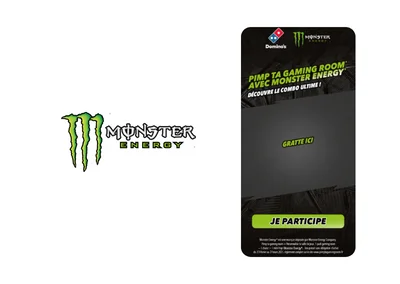
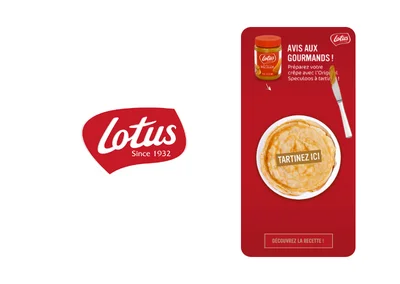
Concrètement, la playable ad est donc un mini-jeu qui va s’exécuter pendant quelques secondes. Ce format est devenu si populaire qu’il ne se limite aujourd’hui plus aux applications de jeu mais aussi aux marques généralistes. Elles peuvent ainsi capter l’attention et engager leurs prospects à travers un jeu marketing.

The benefits of Playable Ads for your brand

The Playable ads advertising format offers your brand a number of advantages. The first is to capture the attention and boost the acquisition of your targets by offering them unique and entertaining content.

In the world of gaming, playable advertising is a bit like the interactive trailer for your mobile application. But for a brand in another sector, such as beauty, telecoms or sport, this gamified format is an extension of your game marketing strategy.

Your playable ad allows you to promote a new product or service by letting players discover it in an immersive virtual environment.

Playables ads help you to achieve several objectives:

  • Brand awareness: by raising awareness of your offer and demonstrating its added value;
  • Engagement: by encouraging users to interact with your brand. Playable ads attract 47% more attention than traditional video ads.
  • Conversion: by boosting traffic to your application or website.
  • Qualification: by gathering insights that will enable you to capitalise on consumer preferences.

Examples of interactive and playable displays

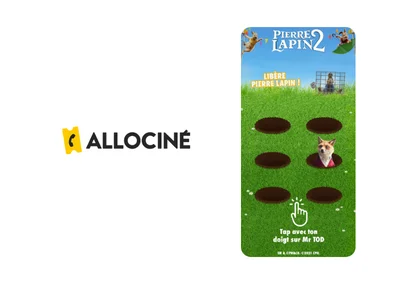
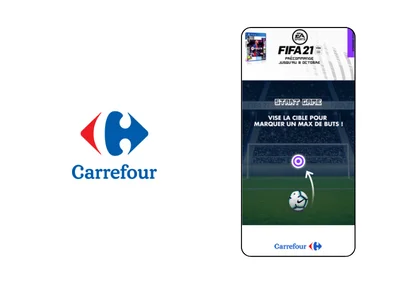
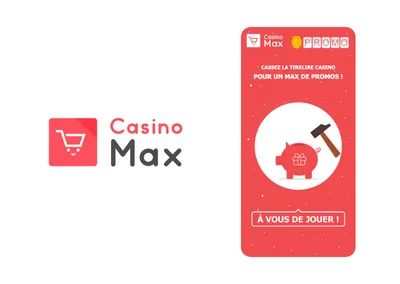
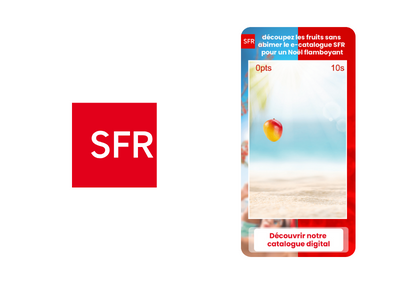
When it comes to gamification scenarios, you’re spoilt for choice. Memory, Battle, Swiper or Rattrape-Tout. Your brand can draw inspiration from different game mechanisms depending on the product to be promoted and its target audience.

Annonces jouables memory red sfr

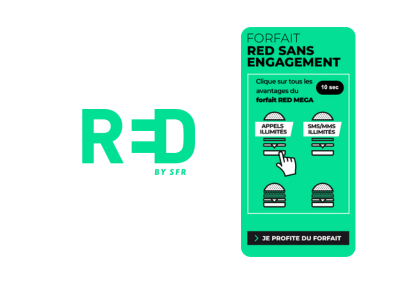
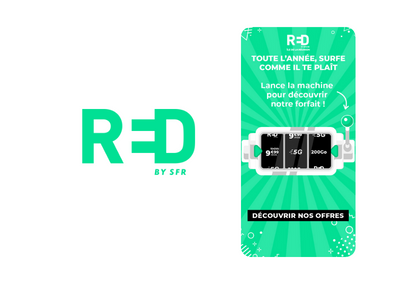
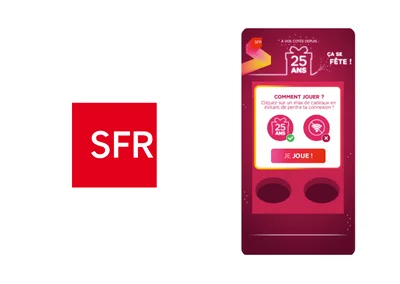
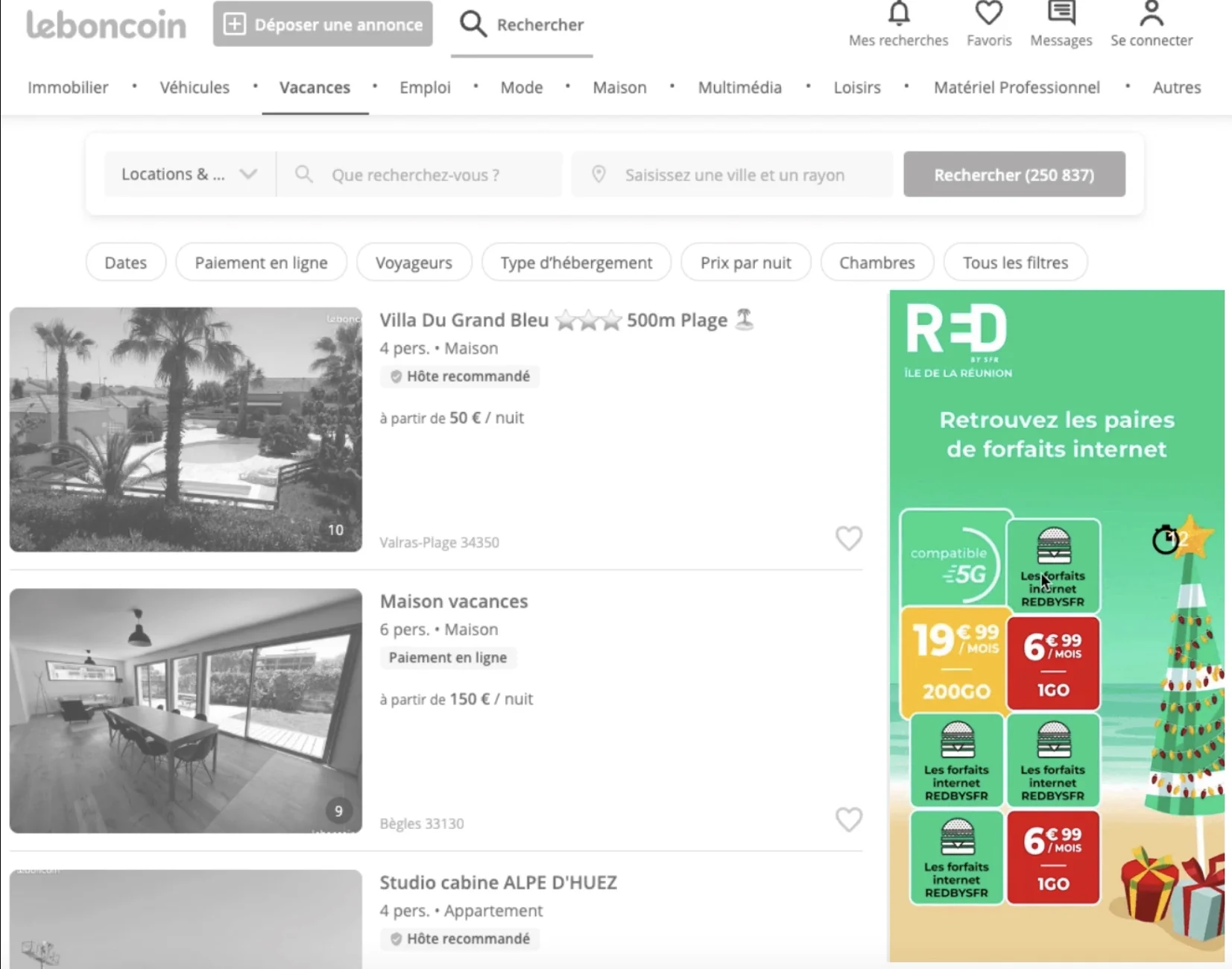
To give you an example of a promotional campaign in the form of Playable ads, RED by SFR recently used the Memory game mechanic to present its range of packages. The interactive format makes the advertising more engaging. But the very nature of the game also encourages better retention of the information presented (and in particular the value delivered by the company).

Conclusion

The new advertising technologies (or AdTech) enable your brand to meet its key marketing challenges and stand out from the competition. Your ability to create unique interactive experiences will be a powerful lever for attracting and converting new customers, as well as gathering and activating valuable insights into your market. Discover our turnkey solutions for creating your Playable ads or opt for customised support for your next campaigns.

Live Shopping et gamification : boostez vos performances marketing !

Live Shopping et gamification : boostez vos performances marketing !

Live shopping has really taken off over the last two years, and the popularity of the practice continues unabated. It has become commonplace for brands to go live to showcase products and generate sales.

But this sales channel can be optimised to meet more than one objective. By introducing gamification before and after the live event, brands and chains can engage consumers, collect preferential data and generate qualified leads. Let’s take a look together at the benefits of this Swiss Army knife, which you can incorporate into your marketing strategy straight away.

The reinvention of live shopping

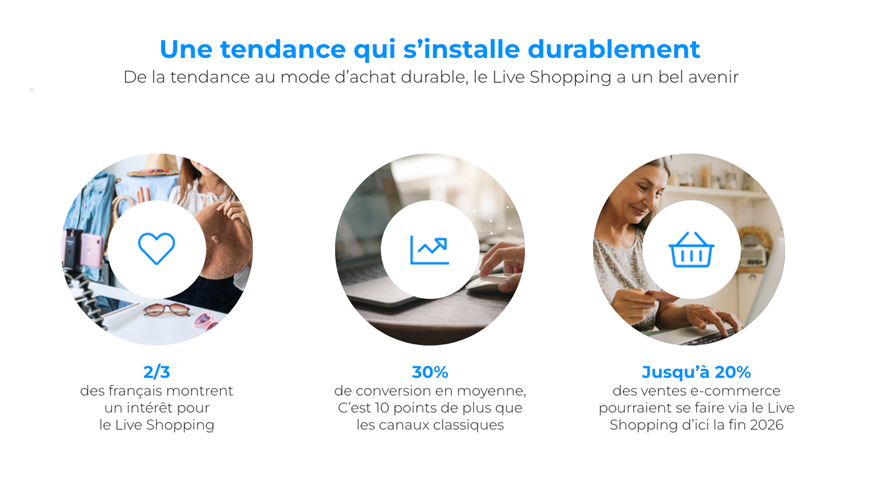
The figures don’t lie: live shopping is an enduring trend in our consumer habits.

But what exactly is live shopping? Live shopping is a way of buying products during the broadcast of a live video, through an influencer or a brand.

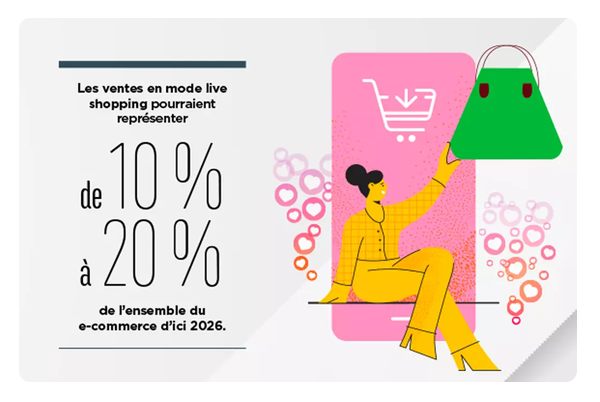
According to a McKinsey study, this practice is becoming increasingly popular, and will account for up to 20% of e-commerce by 2026.

According to a McKinsey study, this practice is becoming increasingly popular, and will account for up to 20% of e-commerce by 2026.

online sales

Gamification and live shopping: the sales promotion duo

To build customer loyalty, it’s essential to understand their needs and expectations. To do this, you can use different tools such as data analysis, focus groups or feedback.

Surveys and e-mailing are also powerful tools in the quest for customer loyalty. By gathering information, you can improve your product or service offering by proposing solutions that are better adapted to your customers’ needs.

Online sales and commitment

Take surveys, for example. By questioning customers directly, valuable information can be gathered and then used by brands and chains.

The questionnaires can be distributed via different channels, such as e-mail campaigns, on the merchant’s website or on social networks. Customers then log in to their account to take part in the survey.

Once the responses have been collected, companies can analyse them to identify trends and customer preferences. On the basis of this information, product or service offers can be tailored to better meet the needs of their customers, and thus improve customer loyalty.

Live shopping: a tool for getting to know your customers

As well as analysing in-store behaviour, live shopping also makes it possible to observe trends that are popular with consumers. Through chat or surveys, it is possible to gather information that can then be activated.

With a post live game, ask participants for their opinions and collect qualified data. An email campaign including promotional offers will boost conversion.

Lead recruitment guide

Generate live leads

Live shopping allows you to talk to potential customers, but not to identify them! Although social networks can provide valuable information about participants, that’s where the data collection stops. In order to be RGPD compliant, it is essential that users voluntarily provide their data. Gamification is the ideal way of collecting first-party data.

Live Shopping figures

How do you set up a gamification campaign for Live Shopping?

To be effective, your Live Shopping site must meet a number of criteria:

  • Benefit from a large audience and qualified subscribers with an affinity for the brand. They will be responsive to product demonstrations to ensure a good conversion rate

  • Be engaging and interactive to capture this audience from the beginning to the end of the Live Shopping session

Preparing for Live Shopping

Before the live event: collect qualified registrants who have an affinity with your brand thanks to a very simple game that allows users to register for a random drawing that will take place during the Live Shopping event.

Coupled with a social gauge, this system will ensure a high level of virality to boost Live registrations. The social gauge is a widget that gives participants extra chances in the random drawing every time one of their friends signs up.

Capturing attention during the live show

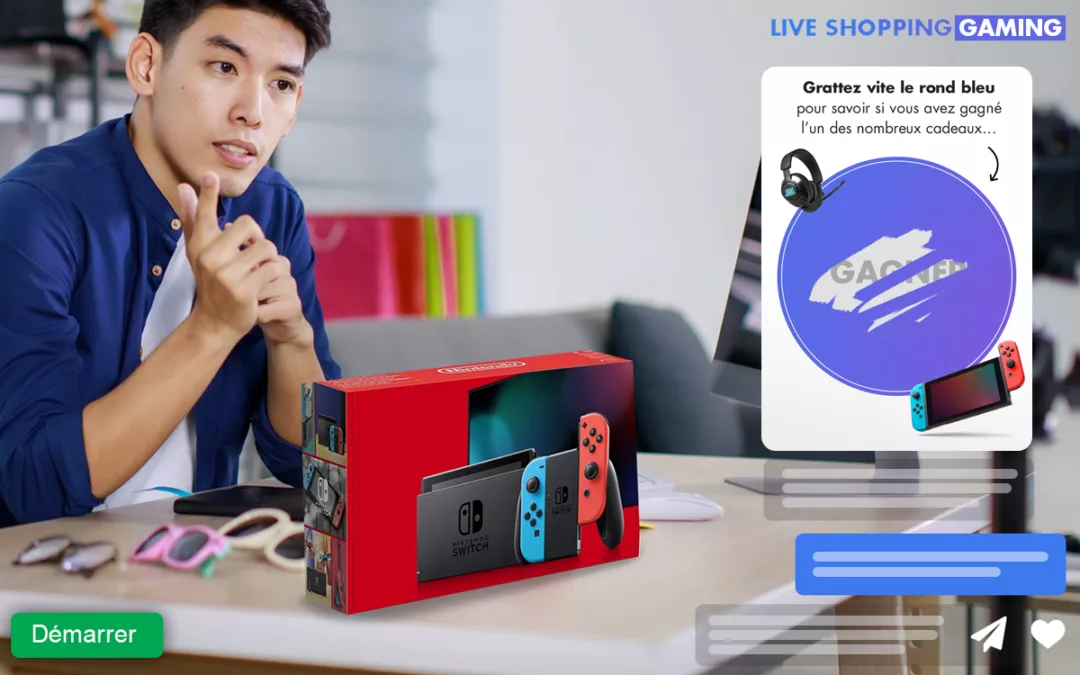
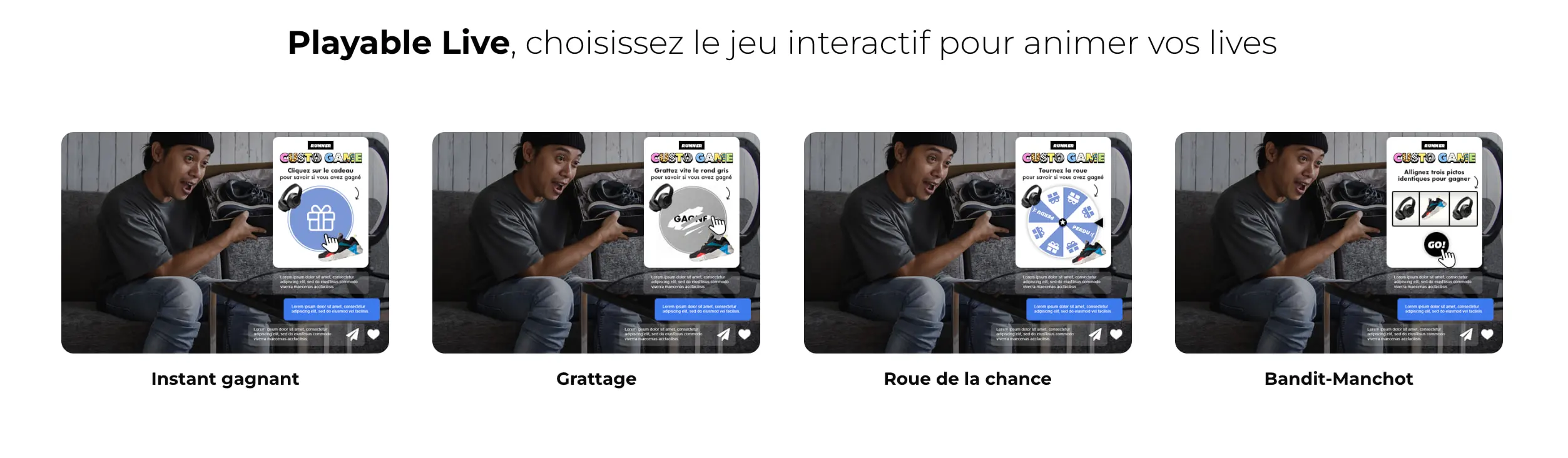
During the live event: engage to maximise attention and encourage memorisation. Offer live participants the chance to take part in an interactive game displayed directly on the live window. This type of feature allows instant-win discount offers to be won and encourages conversion.

Online advertising

Boost your online sales after the live show

After the live event: activate participants with targeted content to boost conversion. Invite live participants to take part in an exclusive game and distribute discount offers to trigger purchases. An opinion game mechanism can also help you detect purchase intentions and get to know your audience better so you can segment your CRM base.

Conclusion

Live Shopping combined with marketing games offers huge potential for brands and retailers looking to boost their engagement and conversion rates.

By offering consumers an interactive and entertaining experience, brands can create deeper emotional bonds, promote their products interactively, identify qualified prospects and boost sales. So don’t miss out on this new channel, which is increasingly becoming a sales channel in its own right.

Now it’s your turn!